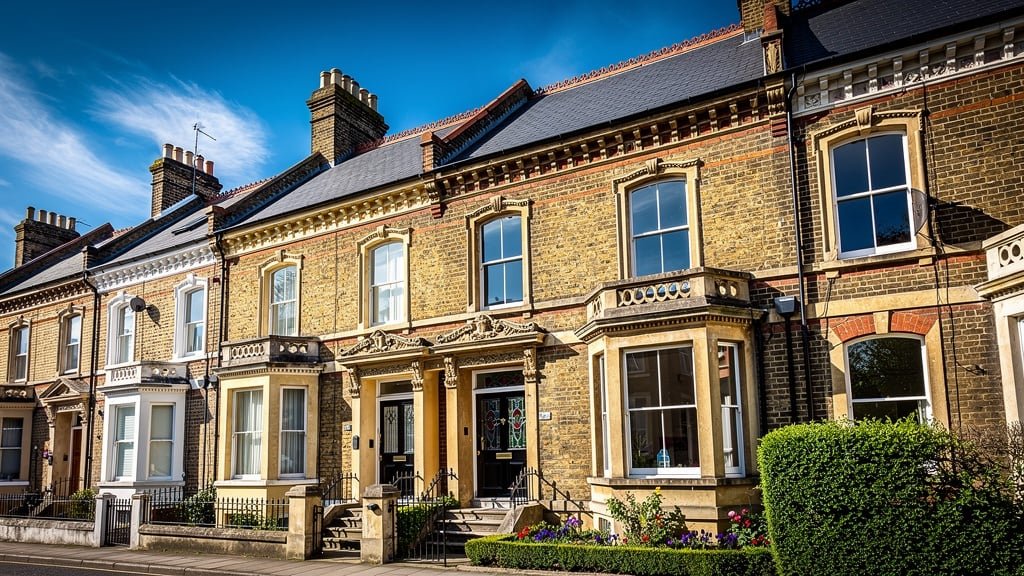
Period properties—Victorian, Edwardian, Georgian, and older buildings—represent a significant proportion of the UK housing stock, particularly in historic city centers and established neighborhoods. My Roof Surveyor UK specializes in period property assessment, understanding that these beautiful buildings require different surveying approaches, specialist knowledge of historic construction methods, and sensitivity to preservation considerations that simply don't apply to modern properties.
This comprehensive guide explores the unique challenges of period property roofs, what specialist surveyors look for, common problems encountered, and how to balance necessary repairs with preservation of historic character and value.
Understanding Period Roof Construction
Period properties were built using construction methods and materials substantially different from modern building techniques.
Victorian Era Roofs (1837-1901)
Victorian roofs typically feature:
- Welsh slate covering: High-quality natural slate from Welsh quarries, expertly split and hand-nailed
- Robust timber structures: Substantial softwood rafters and purlins, often in excellent condition after 150 years
- Simple ventilation: Minimal purposeful ventilation—buildings "breathed" through construction gaps
- Decorative details: Ornate ridge tiles, terracotta cresting, cast iron finials
- Multiple valleys and hips: Complex roof geometries reflecting Victorian architectural aesthetics
- No underlay membrane: Slates fixed directly to battens with no waterproof membrane beneath
Edwardian Era Roofs (1901-1910)
Edwardian construction transitioned toward simpler designs:
- Natural slate or early concrete tiles: Mix of materials depending on budget
- Less ornate detailing: Simpler ridge and decorative elements
- More uniform construction: Beginning of standardized building methods
- Similar timber specifications: Substantial softwood structures
Georgian and Earlier Properties (Pre-1837)
Older properties present additional complexities:
- Handmade clay tiles or stone slates: Particularly in stone-producing regions
- Irregular timber sizing: Hand-cut timber with non-standard dimensions
- Traditional lime mortars: Different properties from modern cement mortars
- Historic repairs and alterations: Centuries of modifications creating unique challenges
Unique Challenges of Period Property Roof Surveys
Surveying period roofs requires specialist knowledge and different approaches than modern properties.
1. Dealing with Absence of Modern Weatherproofing
Victorian and Edwardian roofs typically have no waterproof membrane beneath slates—a significant difference from modern construction.
Why this matters:
- Water penetration occurs more readily through gaps in slate covering
- Driving rain can reach roof timbers directly
- Historical expectation was that loft spaces would be well-ventilated to dry naturally
- Modern improvements (insulation, loft conversions) can trap moisture without membrane protection
A Bath Georgian townhouse we surveyed had been insulated between rafters without installing breather membrane. The insulation blocked traditional ventilation while lacking moisture protection, creating condensation that was rotting timbers. Proper period property specialists understand these interactions between historic construction and modern improvements.
2. Assessing Aging Slate Condition
Natural slate can last 100-150 years, but assessing its remaining lifespan requires specialist expertise:
Slate condition indicators:
- Delamination: Slate splitting into layers from freeze-thaw cycles
- Softening: Surface becoming powdery and porous
- Nail corrosion: Original iron nails rusting and failing
- Thermal stress cracking: Hairline cracks from repeated temperature cycles
- Batten deterioration: Timber battens supporting slates reaching end of life
Determining whether slate has 5, 15, or 30 years of remaining life requires experienced assessment. A Edinburgh Victorian terrace needed survey before purchase. Our specialist surveyor assessed that while some slates showed age, the overall roof had 15-20 years remaining life—valuable information that informed the buyer's offer and renovation planning.
3. Navigating Listed Building and Conservation Area Restrictions
Many period properties fall under planning restrictions affecting roof repairs:
Common restrictions include:
- Material specifications: Requirements to use matching slate, tiles, or lead
- Method approvals: Traditional fixing and repair techniques mandated
- Color matching: Ensuring new materials match existing aesthetics
- Conservation officer approvals: Major works requiring formal consent
- Heritage considerations: Preserving historic character and features
Specialist period property surveyors understand these requirements and provide recommendations that comply with regulations while addressing practical roof problems.
4. Complex Roof Geometries
Victorian architecture favored complex roof designs:
- Multiple valleys creating water concentration points
- Hips, dormers, and projections creating numerous junctions
- Decorative features requiring specialist maintenance
- Hidden gutters (parapet and valley gutters) prone to failure
- Tall chimney stacks requiring assessment for stability and weather-tightness
A Manchester Victorian semi had experienced repeated leaks despite multiple contractor visits. Our survey identified that a hidden valley gutter—common in Victorian terraces—had failed. These internal gutters are invisible from exterior inspection and require specialist knowledge to assess properly.
Common Period Property Roof Problems
While each period property is unique, certain problems appear repeatedly.
Nail Sickness
Original Victorian iron nails corrode after 100+ years, causing slates to slip:
- Individual slates dropping as nail fixings fail
- Progressive failure requiring complete roof re-covering
- Often affects multiple properties in same terrace simultaneously
- Cannot be repaired—requires removing all slates and re-fixing with modern fixings
Nail sickness is the primary reason many Victorian slate roofs need complete replacement despite slates themselves being in reasonable condition.
Chimney Stack Deterioration
Period properties typically have substantial chimney stacks presenting multiple issues:
- Pointing failure: Original lime mortars requiring repointing with compatible materials
- Flashing problems: Lead flashings deteriorating or poorly repaired historically
- Structural movement: Stacks leaning or showing cracking
- Redundant flues: Unused chimneys lacking ventilation, leading to dampness
- Pot and brickwork damage: Frost damage to chimney pots and decorative brickwork
Hidden Valley and Parapet Gutters
Victorian terraces often incorporate gutters within the roof structure:
- Valley gutters between properties lined with lead or zinc
- Parapet gutters behind front facades
- These hidden gutters deteriorate invisibly, causing major problems when they fail
- Replacement requires significant roof disruption and specialist skills
Failure of hidden gutters causes catastrophic leaks difficult to diagnose without period property expertise. A Bristol terrace row experienced simultaneous leaks in multiple properties—investigation revealed the shared valley gutter had corroded through after 130 years.
Inappropriate Historic Repairs
Period properties often bear decades of repairs using incompatible materials:
- Cement mortar where lime mortar should have been used
- Modern concrete tiles replacing original slate
- Bitumen coverings over lead flashings
- Rigid roofing felt where breathable construction is needed
These inappropriate repairs can cause more problems than they solve. Specialist surveyors identify these issues and recommend proper remediation using compatible materials.
Balancing Preservation and Modernization
Period property owners face challenges balancing historic preservation with modern living standards.
Insulation Challenges
Modern energy efficiency requirements conflict with traditional construction:
The dilemma: Building regulations encourage high insulation levels, but period roofs were designed to breathe. Adding insulation without proper moisture management creates condensation and rot.
Appropriate solutions:
- Breathable insulation materials allowing vapor transmission
- Proper ventilation above and below insulation
- Breather membranes compatible with traditional construction
- Sometimes accepting lower insulation levels to preserve building integrity
Modernizing While Preserving Character
Specialist surveyors help navigate preservation requirements:
- Identifying where modern materials can be used without aesthetic impact
- Specifying traditional materials for visible elements
- Balancing cost, longevity, and conservation requirements
- Understanding when planning permission or listed building consent is required
The Importance of Specialist Period Property Surveyors
Not all roof surveyors have appropriate period property expertise.
What Specialist Knowledge Provides:
- Historic construction understanding: Knowledge of traditional methods and materials
- Material identification: Recognizing original versus replacement materials
- Compatible repair specifications: Recommending appropriate traditional materials and techniques
- Lifespan assessment: Accurately estimating remaining life of historic materials
- Planning requirement awareness: Understanding conservation area and listed building regulations
- Preservation best practices: Balancing repairs with historic value retention
A Brighton Victorian villa was surveyed by general contractors who recommended complete slate replacement. Our specialist survey determined that 70% of slates were reusable—only failed sections needed replacement. This approach saved £18,000 while preserving the roof's historic character.
Period Property Roof Maintenance
Proactive maintenance extends period roof lifespan and prevents problems escalating.
Recommended Maintenance Schedule:
Annual inspections:
- Check for slipped or missing slates/tiles
- Inspect chimney stack pointing and stability
- Verify flashing condition at all junctions
- Clear gutters and valleys of debris
- Check decorative ridge and crestings
Every 3-5 years:
- Professional roof survey documenting overall condition
- Photographic records for monitoring deterioration
- Assessment of remaining lifespan for major components
- Planning budget for anticipated major works
Proactive repairs:
- Re-fix slipped slates before they fall and break
- Repoint chimney stacks before water penetration causes structural damage
- Renew lead flashings showing cracks before leaks develop
- Clear valley and gutter systems preventing water overflow
Cost Considerations for Period Property Roofs
Period property roof works typically cost more than modern equivalents.
Why Costs Are Higher:
- Specialist materials: Matching slate, handmade tiles, or traditional lead
- Skilled labor: Traditional roofing skills command premium rates
- Complex geometries: More labor-intensive than simple modern roofs
- Conservation requirements: Additional work meeting heritage standards
- Access challenges: Many period properties in terraces or constrained urban locations
Typical Cost Ranges:
- Complete Victorian slate re-covering: £120-180 per m²
- Partial slate repairs: £500-£2,000 depending on extent
- Chimney repointing: £800-£2,500 per stack
- Lead valley renewal: £150-£250 per linear meter
- Period property roof survey: £600-£1,200
Key Takeaways
- Period roofs require specialist surveyor knowledge of historic construction
- Victorian and Edwardian roofs typically lack waterproof membranes
- Nail sickness is the primary reason Victorian slate roofs need replacement
- Hidden valley and parapet gutters are common failure points
- Conservation area and listed building restrictions affect repair approaches
- Inappropriate modern materials can damage traditional construction
- Specialist surveys balance preservation with practical repair requirements
- Regular maintenance extends period roof lifespan significantly
Frequently Asked Questions
High-quality Welsh slate roofs on Victorian properties can last 100-150 years. However, the limiting factor is often nail failure rather than slate deterioration. Original iron nails corrode after 100-120 years, causing "nail sickness" where slates slip even though the slate itself remains sound. When nail sickness occurs, complete re-covering is necessary—removing all slates, replacing battens, and re-fixing slates with modern stainless steel or copper nails. With this remediation, original slates can provide another 50+ years of service.
Insulating period roofs requires careful approach. Traditional construction relies on ventilation to manage moisture—simply filling spaces with insulation can trap condensation and cause rot. Successful insulation requires: breathable materials allowing vapor transmission, proper ventilation pathways above and below insulation, breather membranes compatible with traditional construction, and sometimes accepting that full modern insulation levels may not be achievable without compromising building integrity. Consult specialist surveyors who understand both building regulations and period construction before proceeding.
Many Victorian properties have flat-roofed rear extensions, either original or added later. These are particularly vulnerable to problems because they often have inadequate drainage, rely on historic materials (felt, asphalt, or zinc that may be decades old), and suffer from junction issues where they meet the main pitched roof. Victorian flat roof extensions should be surveyed every 2-3 years and typically need recovering every 15-25 years. They're not inherently problematic, but they require more frequent maintenance attention than the main pitched roof.
Like-for-like repairs using matching materials generally don't require planning permission. However, if your property is listed or in a conservation area, even "repairs" may need listed building consent or conservation area approval, particularly if they involve material changes, alterations to appearance, or significant work. Major works like re-covering roofs, altering roof shape, adding roof lights, or using different materials typically require permission. Consult your local planning authority or specialist surveyor before commencing significant works—retrospective permission is harder to obtain than pre-approval.
This depends on several factors: extent of damage, slate/tile condition, batten condition, presence of nail sickness, building's listed status, and your budget. Specialist surveys assess whether repair is viable or complete replacement necessary. Often, partial repairs extend roof life by 10-20 years while you save for eventual replacement. However, if nail sickness is widespread, battens are deteriorating, and multiple slates are failing, complete re-covering may be more economical long-term than repeated patch repairs. Professional assessment considering all factors provides the best guidance for your specific circumstances.
Expert Period Property Roof Surveys
My Roof Surveyor UK specializes in period property assessment, understanding the unique challenges of Victorian, Edwardian, Georgian, and historic buildings. Our surveyors combine traditional construction knowledge with modern survey technology to provide comprehensive assessments that respect your property's heritage while addressing practical roofing concerns.
Whether you're purchasing a period property, planning renovations, or managing regular maintenance, our specialist surveys deliver the expert guidance necessary for informed decision-making.